Pixie shoes
A stylish clothing company comes up with sexy new shoes worthy of an elf or a pixie, and look at their ad:

Read the rest of this entry »
A stylish clothing company comes up with sexy new shoes worthy of an elf or a pixie, and look at their ad:
Read the rest of this entry »
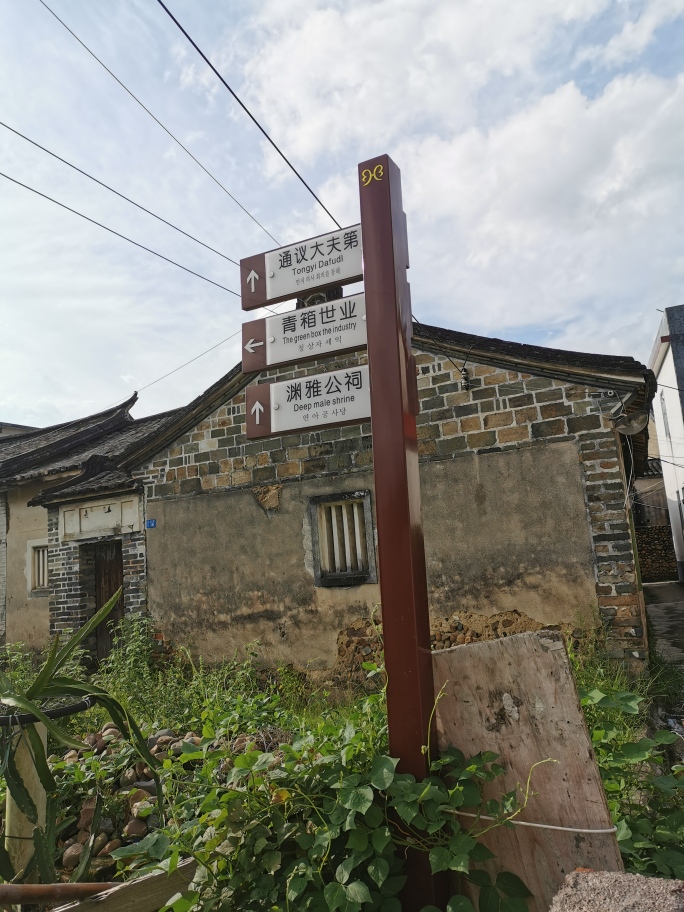
Photograph taken by Yuanfei Wang in Baihou Town 百侯镇, Tai Po 大埔, Guangdong Province:
Read the rest of this entry »
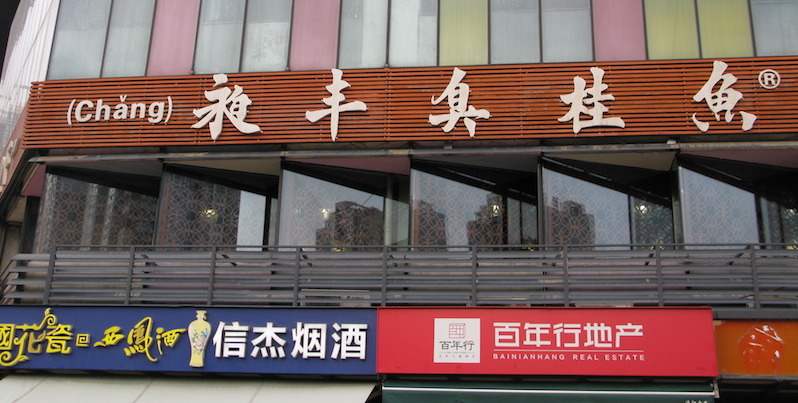
Neil Kubler spotted this restaurant sign last week in Xi'an in northwest China:
Read the rest of this entry »
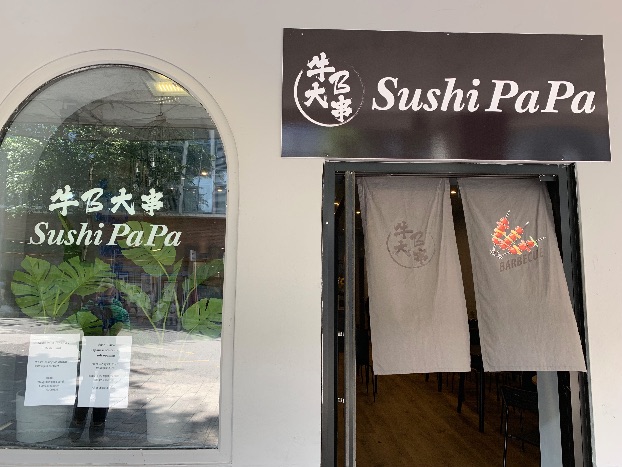
From Nora Castle, who came across this restaurant which has just opened in Coventry, England:
Read the rest of this entry »
From the Facebook page of the Hong Kong poet, Tammy Ho Lai-Ming, president of PEN Hong Kong, as reproduced in Andrea Lingenfelter, "At This Moment, Everyone Is a Revolution: The Poems of Tammy Ho Lai-Ming and the Hong Kong Crisis", Blog // Los Angeles Review of Books (8/4/19):
Read the rest of this entry »
Permalink Comments off
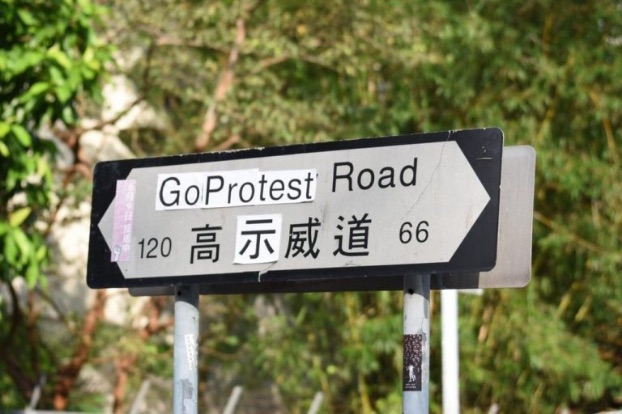
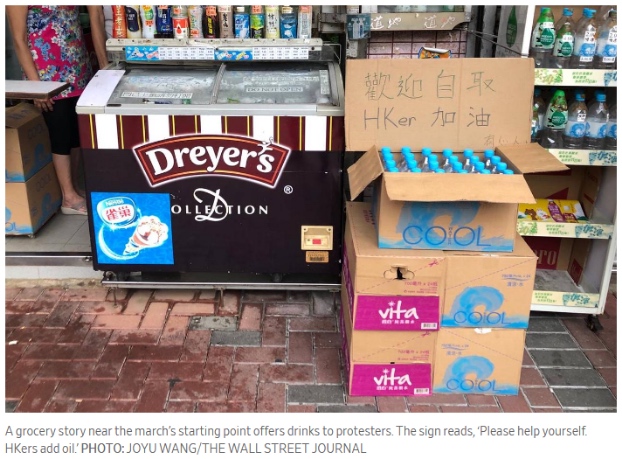
Photograph in the Wall Street Journal, "Hong Kong Protesters Fill Streets in District With History of Violent Clashes: Police are under pressure to contain weeks of tear-gas-soaked demonstrations against mainland China’s growing influence", by John Lyons and Joyu Wang (8/3/19):
Read the rest of this entry »
[This is a guest post by Brendan O'Kane]
Like pretty much everyone else I know, I’ve been following the news out of Hong Kong with a mixture of hope and admiration and absolute dread. I was looking at reports from yesterday’s rally in support of the police when something caught my eye: the sign text in this image:

(Source)
Read the rest of this entry »
Interesting combination of scripts for the Military Bookstore on Dì'ān mén xī dàjiē 地安门西大街 (" Di'anmen West Street") (lots of concrete barriers out front!):
Read the rest of this entry »
Klaus Nuber writes: "Sometime ago I saw the sign of this 'Asia Palast' with the logo consisting of the two chairs and the round dingus between. Is this logo just cute or has it a hanzi background?"
Read the rest of this entry »
Sign on a toilet door:
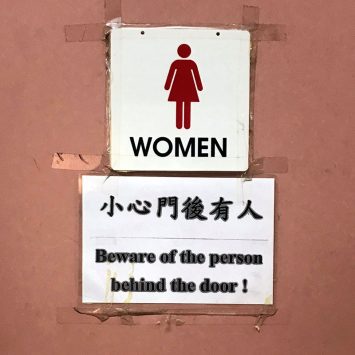
Source: "In the first flush: China’s toilet revolution remains in full swing", Week in China 453 (5/24/19)
Read the rest of this entry »
Sign on a municipal bus in San Francisco:

(Sponsored by truthornahsf.org)
Read the rest of this entry »