Sleep and dream
A chart in Wikipedia ("Indo-European vocabulary") [rearranged here] — see under "Bodily functions and states" — shows the connection between words for "sleep" and "dream" in IE languages, including Tocharian.
1. PIE: *swep- "to sleep", *swepnos "dream (n.)"
2. English: archaic sweven "dream, vision" (< OE swefn); NoEng sweb "to swoon" (< OE swebban "to put to sleep, lull")
3. Gothic: ON sofa "sleep (v.)"
4. Latin: somnus "sleep (n.)"
5. Ancient Greek: húpnos "sleep (n.)"
6. Sanskrit: svápnaḥ "sleep, dream (n.)"
7. Iranian: Av xᵛafna- "sleep (n.)" NPers xwãb- "sleep"
8. Slavic: OCS spěti "sleep (v.)", sŭnŭ "sleep (n.), dream (n.)"
9. Baltic: OPrus supnas "dream", Lith sapnas "dream"
10. Celtic: OIr sūan, W hun "sleep (n.)"
11. Armenian: kʿnem "I sleep", kʿun "sleep (n.)"
12. Albanian: gjumë "sleep (n.)"
13. Tocharian: A ṣpäṃ, B. ṣpane "sleep (n.), dream (n.)"
14. Hittite: sup-, suppariya- "to sleep"
Read the rest of this entry »
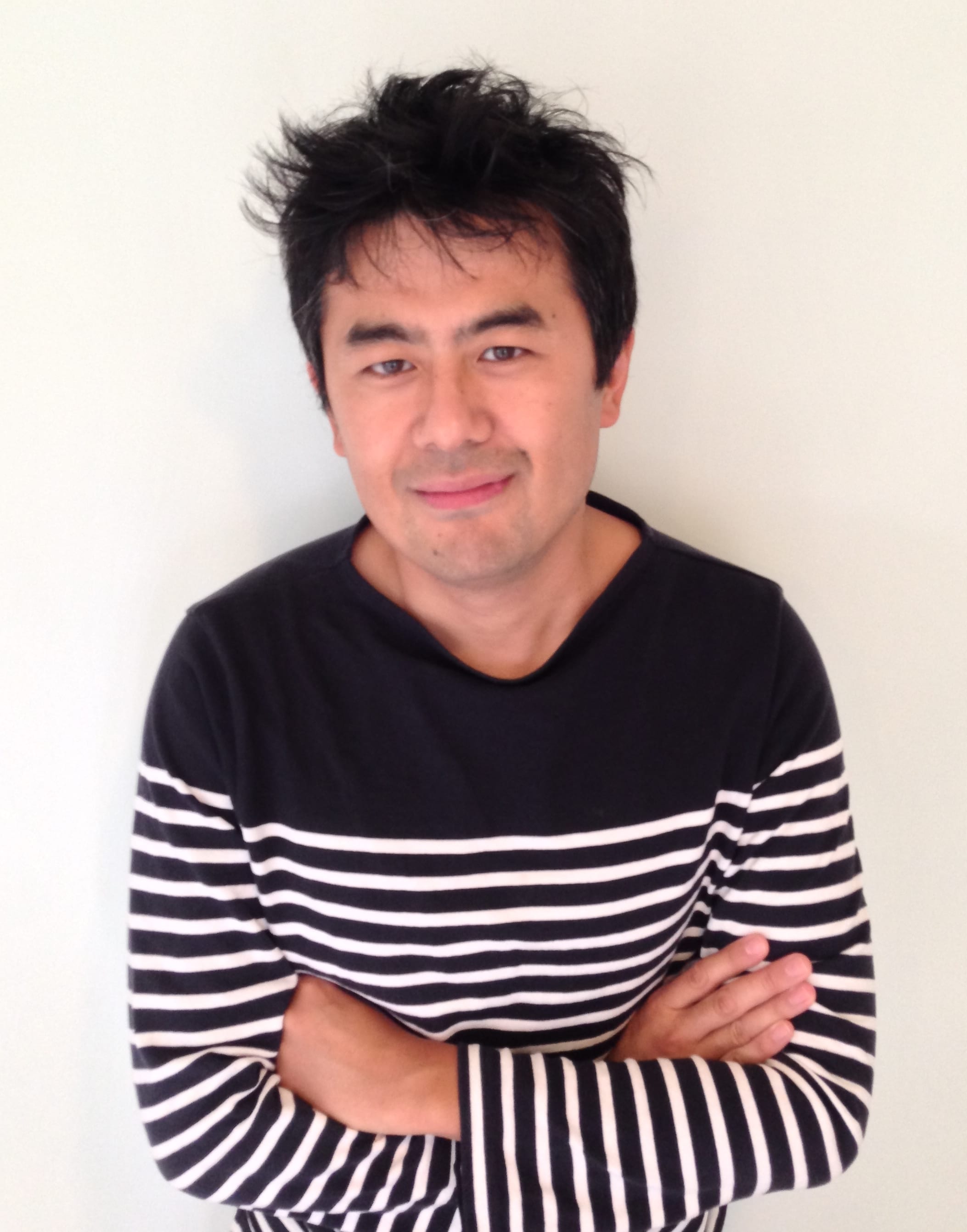 Charles Yang* is perhaps best known for the development of the Tolerance Principle, a way to quantify and predict (given some input) whether a rule will become productive. He is currently Professor of Linguistics at the University of Pennsylvania, where he collaborates with various researchers around the world to test and extend the Tolerance Principle and gain greater insight into the mechanisms underlying language acquisition.